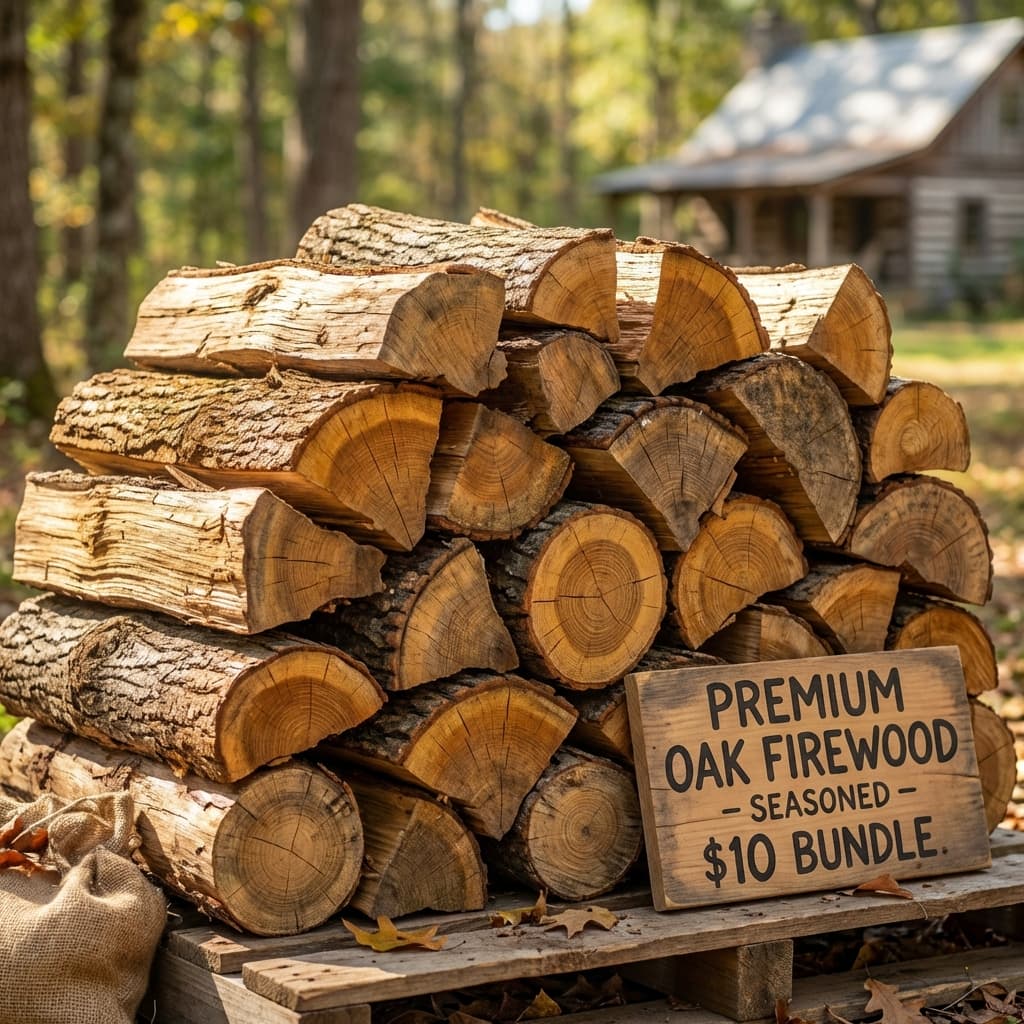
Buying barbecue charcoal looks simple until you open the bag: one is evenly sized and holds its embers, the other is full of dust and dies within half an hour. The difference lies in the raw material and the processing.
What does "screened" mean?
Freshly made charcoal contains pieces of varying size plus a quantity of dust. Screening passes that mixture through a sieve to remove the dust and the smallest fragments.
Screened charcoal has three concrete advantages:
- Less dust — less ash thrown into the air when lighting, and none on the food.
- Even burning — similarly sized pieces burn at the same rate, so heat spreads evenly.
- Longer embers — small fragments do not burn out early and disturb the bed.
Unscreened charcoal is cheaper and fine for a home barbecue. For commercial use — restaurants, grill houses — the difference shows directly in service speed.
Red oak or yellow oak?
Both are oak and both make good charcoal. The difference is density.
Red oak has a denser grain, which means heavier embers, longer burn time and higher heat. It is usually the choice of businesses running long service.
Yellow oak is slightly lighter and lights faster. Practical for home use and shorter sessions.
How much do you need?
A rough guide: 250-300 grams per person. Two kilos comfortably covers six people. For long, back-to-back service, raise it to 400 grams per person.
Restaurants calculate differently: with the grill running continuously, reckon on 1.5-2 kg per grill per hour.
Three common mistakes
1. Rushing. Do not put food on before the coals turn white. Flaming charcoal burns the outside and leaves the inside raw. Wait for the ash-grey coating — about 20-25 minutes.
2. Spreading too thick. Keep the bed under 5-6 cm. Coals underneath cannot get enough air and die unburnt — charcoal you paid for, wasted.
3. Using lighter fluid. It carries its smell into the food. Use paper, kindling or a natural firelighter. Oak kindling works perfectly.
Storage
Charcoal absorbs moisture quickly, and damp charcoal is hard to light and dies fast. Keep the bag closed and dry, and never directly on the floor — a pallet or a board underneath is enough.
Current Price List
Starting prices for our coal, firewood, pellet and olive-pomace products.
| Product | Unit | Starting Price | Detail |
|---|---|---|---|
| Süper Enerji Sibirya Kömürü | 25kg Torba | ₺375 | View |
| Yerli Soma Kömürü | 25kg Torba | ₺180 | View |
| Kalorifer Kömürü (Ceviz) | 25kg Torba | ₺320 | View |
| Kalorifer Kömürü (Fındık) | 25kg Torba | ₺310 | View |
| Karpuz Kömür (Blok) | 25kg Torba | ₺280 | View |
| Yerli Linyit Kömürü (Parça) | 25kg Torba | ₺160 | View |
| Kök Kömür (Yerli) | 40kg Çuval | ₺290 | View |
| Pres Kömür (Briket) | 25kg Torba | ₺190 | View |
| Meşe Odunu (Kuru) | 1 Çuval (20-25kg) | ₺150 | View |
| Sarı Meşe Sobalık Odun | Çuvallı — 30 kg | ₺400 | View |
| Meşe Odunu (6 Aylık) | 1 Çuval (20-25kg) | ₺130(estimate) | View |
| Sarı Meşe Odunu (6 Aylık) | 1 Çuval (20-25kg) | ₺150(estimate) | View |
| Odun Peleti (Çam) | 15kg Torba | ₺220 | View |
| Fındık Kabuğu Yakıtı | 25kg Çuval | ₺130 | View |
| Tahta Parçası (Çam) | Torba (17-23 kg) | ₺250 | View |
| Pirina (Zeytin Çekirdeği Yakıtı) | 25kg Çuval | ₺110 | View |
Prices can change. Message us on WhatsApp for the current price and a quote including delivery.
Ask for a Price on WhatsApp